Telecom Domain
Telecommunications Industry – Domain Knowledge
Looking for knowledge and key business information on the Telecom industry?
TechnoFunc brings to you telecommunications industry overview, business model, value chain, competitive landscape, and latest trends. The Telecommunications Industry has been among the best performing industries in the world in recent years. Telecom companies face a unique set of challenges that stem from technology trends and customer demands. The convergence of applications, networks or content in this new-age information super highway has become the next path-breaking move in core mass-market technology providing single connectivity and integrated user experience. Telecom industry is made up of a complex set of sectors and subsectors and has variety of stakeholders. Telecom industry builds, maintains, and operates telecommunication networks which enable one of the most essential services to humans and organizations globally, ability to communicate intra and cross borders. This section on Telecom Sector is designed to help learners have an overview and understand key concepts, terminology and glossary, issues and challenges, associated with the telecommunications industry, and what strategies gets employed to meet some of those challenges.
Learn the various dynamics and challenges in the domain of telecommunications industry. Quickly enhance your business acumen and talk like an expert and impress your stakeholders in your next meeting!
Overview of the Telecommunications Industry
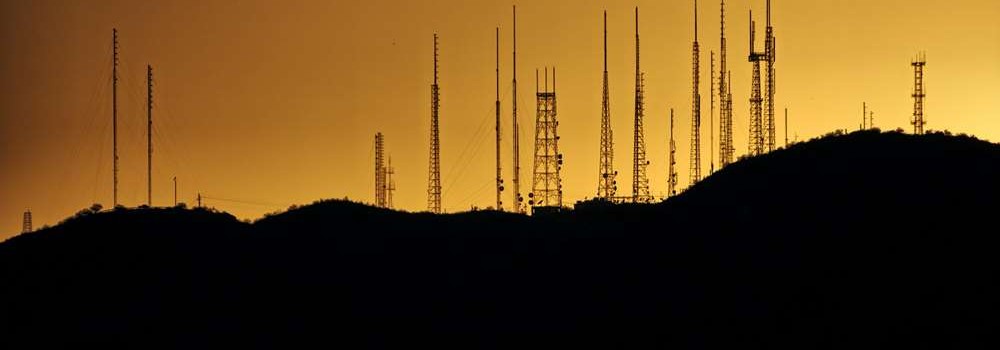
Modern telecommunications industry players produce communication equipment and deliver a set of voice, data, and broadband services using wireline or wired infrastructure of cables, networks, servers, computers, and satellites. In this article, we will define the telecom industry and discuss some of the key business drivers. Understand the various constituents of the telecommunication services sector followed by a small discussion on current industry trends.
History of Telecommunications Industry

The history of telecommunication began with the use of smoke signals and drums in Africa, the Americas, and parts of Asia. In the 1790s, the first fixed semaphore systems emerged in Europe; however, it was not until the 1830s that electrical telecommunication systems started to appear. Follow this advancement from smoke signals to modern-day internet and mobile technology, understanding the events that have shaped the world of telecommunications.
Imperatives of Telecommunication Industry

The telecommunications industry continues to grow steadily on a global scale. The most important imperatives shaping the modern telecommunications industry are globalization (worldwide scale), technology (latest advancements), and deregulation. The first factor shaping the telecommunication industry to what it is today is globalization. The second factor influencing the telecommunication industry greatly is technological advances. This article briefly discusses these three imperatives.
Telecom Industry & Globalization

The telecommunications sector is an important strategic segment of the modern economy. As globalization set the stage, the telecommunications industry became gradually a more global industry with increasing competition. The first factor shaping the telecommunication industry to what it is today is globalization. The telecommunications industry transports information at such incredible speeds that the concept of the virtual world has become true. This article will discuss the impact of globalization and the risks and opportunities it present to the industry.
Telecom Industry & Technological Innovations

The second factor influencing the telecommunication industry greatly is technological advances. Technological advances in recent times have dramatically changed the dynamics of players involved in the telecommunications infrastructure, equipment, and services sectors. This article will discuss the impact of technological advances and the risks and opportunities it present to the industry. Shift to 5G, AI, IoT, etc. and adoption of these technologies are current telecom trends.
